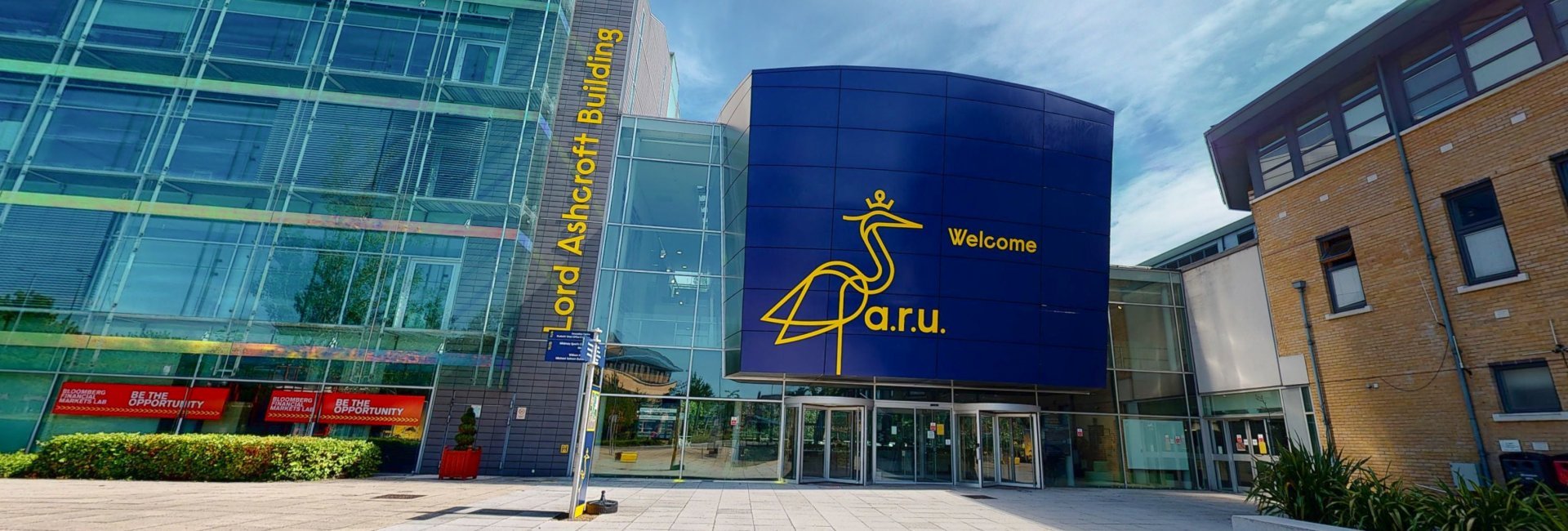
Anglia Ruskin University - Undergraduate Open Day - Cambridge
6 Jun 2026, 09:00
Cambridge

Broaden your understanding of the human body while exploring the development of disease and how it can be prevented, with our accredited BSc (Hons) Medical Science degree. Our Medical Science degree course, accredited by the Royal Society of Biology, combines an understanding of how a healthy body works, how disease develops and how normal function can be restored. You'll learn the theories and practice behind modern medicine and prepare for a rewarding career in a medical lab, helping diagnose, treat and prevent disease.
Studying Medical Science combines analytical study with laboratory skills, giving you the opportunity to work in interactive learning environments and learn key skills through experiential learning – this includes getting hands on our state-of-the-art SuperLab, where you can put your new-found skills to the test in a safe, industry-standard environment. The 21st century presents many health challenges. Our BSc (Hons) Medical Science course will prepare you for work in various professional environments or the healthcare sector, where a scientific contribution is made to areas involving the diagnosis, treatment and prevention of disease. This broad science degree will help you identify and solve problems, lead and manage people and be confident in scientific communication – all highly valued competencies in the health sectors, and something which will give you a strong advantage in the employment market.
The teaching and learning environments at ARU are interactive and versatile. They involve structured small group learning, team-based learning, lectures, seminars, online learning and regular lectures where guest speakers share their expertise.
You’ll acquire your laboratory skills in a state-of-the-art level two category laboratory. You’ll benefit from our innovate teaching and assessment methods to optimise your learning experience and development as scientist.
Year 1:
·Foundation in Optometry
·Medical and Life Sciences
Year 2:
·Cellular and Molecular Biology
·Human Anatomy and Physiology
·Scientific Communication and Professional Skills
·Principles of Biomedical Science
·Fundamentals of Nutrition, Drugs and Metabolism
Year 3:
·Essential Physiological ·Biochemistry
·Applied Pathophysiology
·Principles of Pharmacology
·Fundamentals of Epidemiology
·Research Proposal
·Ruskin Module
Year 4:
·Applied Pharmacology
·Biotechnology
·Specialist Case Studies
·Contemporary Issues in Medical Science
·Undergraduate Major Project
We'll make sure you're progressing correctly in a number of ways, including multiple choice tests, essays, practical exams, short-answer tests, reflective essays, oral and poster presentations, scientific report writing and independent project work. In the early stages of your degree we'll use the best methods to make sure you gain a solid understanding of all the relevant subject matter. Later on, we'll focus on developing your critical appraisal skills, depth of understanding, and ability to work independently.
To work as a teacher at a state school in England or Wales, you will need to achieve qualified teacher status (QTS). This is offered on this course for the following level:
This is the equal consideration deadline. You can still apply after this date, but your application may not receive guaranteed consideration.

Anglia Ruskin University has participated in the Teaching Excellence Framework. These ratings were awarded in 2023, for four years.
See why these ratings were awarded
What does this TEF outcome mean?
The following entry points are available for this course:
We welcome applications from international and EU students, and accept a range of international qualifications.
This section shows the range of grades students (with UK A-Levels or Pearson BTEC Level 3 National Extended Diplomas) who received offers were previously accepted with (learn more). It is designed to support your research but does not guarantee whether you will or won't get a place. Admissions teams consider various factors, including interviews, subject requirements, and entrance tests. Check all course entry requirements for eligibility.
We are unable to show previous accepted grades for this course. This could be because the course is new, it's a postgraduate course, there isn't enough historical data, or the provider has opted out of sharing their entry grades data for this course - learn more.
| Location | Fee | Year |
|---|---|---|
| England | £9535 | Year 1 |
| Northern Ireland | £9535 | Year 1 |
| Scotland | £9535 | Year 1 |
| Wales | £9535 | Year 1 |
| Channel Islands | £9535 | Year 1 |
| Republic of Ireland | £9535 | Year 1 |
Tuition fee status depends on a number of criteria and varies according to where in the UK you will study. For further guidance on the criteria for home or overseas tuition fees, please refer to the UKCISA website.
https://aru.ac.uk/student-life/preparing-for-university/help-with-finances/undergraduate
East Road
Cambridge
CB1 1PT
Visit our website Visit our course page
Email:answers@aru.ac.uk
Phone:01245 686868
Email:answers@aru.ac.uk
Phone:01245 686868
At Anglia Ruskin University