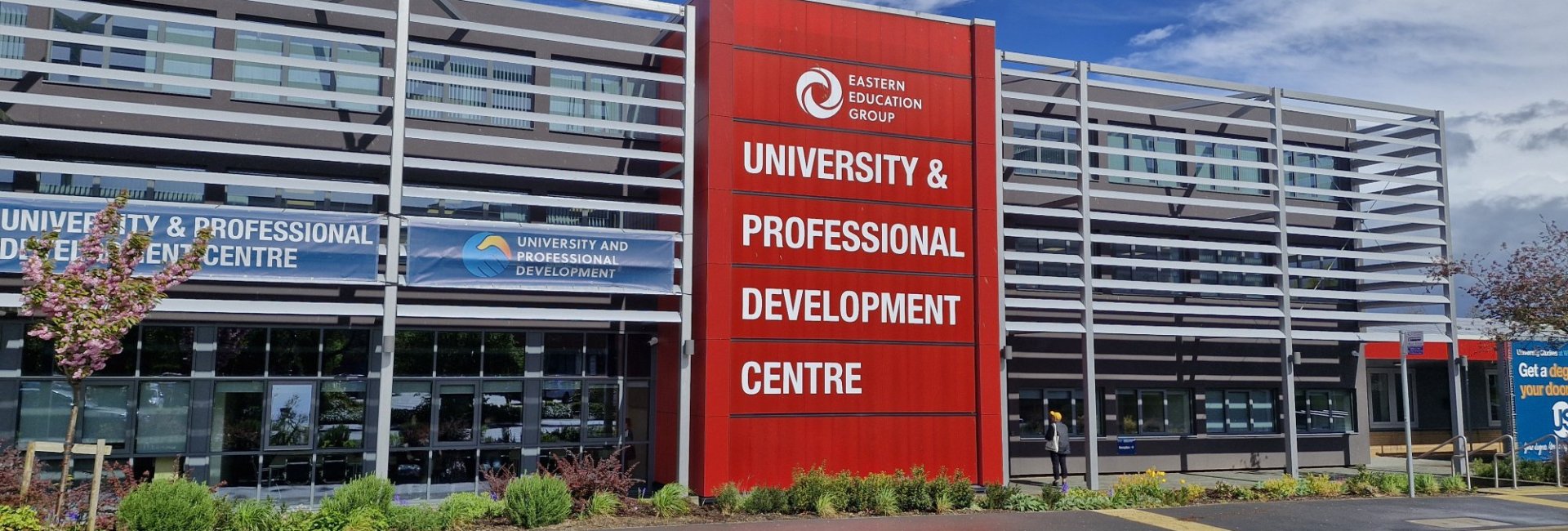
University Centre & Adult Learning Open Day – Bury St Edmunds – July 2026
1 Jul 2026, 15:30
Bury St Edmunds

The BSc (Hons) Computing and Digital Technology degree addresses the need for computing professionals who can design and develop solutions, configure and manage systems and networks, and take advantage of rapid advancements in digital technology in areas such as data-driven technologies, information visualisation, haptics, and machine learning. The knowledge and skills gained on the course, both transferable and technology-specific, could be applied within different industry sectors and various contexts.
The Course is aimed at those who aspire to a career utilising cutting-edge digital technology in the design, development, implementation and management of data-driven solutions and systems. You will study software development, data and databases, computer systems, computer networking, artificial intelligence and cybersecurity, including the development of apps, tools, services and systems across multiple platforms and devices (desktop, mobile, tablet, smart systems, IoT and the Cloud). Our Immersive XR Lab provides virtual, augmented and mixed reality technology including headsets, haptics, biometrics, and motion devices to enable you to explore cutting edge technology and innovative application
Computer science principles, mathematics, problem-solving, security and reliability, ethics and professionalism are core underpinnings of the programme design.
Level 4:
In the first year you will be introduced to the core principles associated with computation and computer technology, using a programming language as a vehicle to illustrate key concepts such as algorithms and to encourage computational thinking for solving problems. You will gain an understanding of app development, explore the fundamental principles of coding, microprocessors and IoT devices; and consider interaction and user experience design. You will undertake group and project work to provide opportunities to work with others who may have different creative and technical skillsets embedding agile principles and industry workflow.
Coding, Prototyping and Internet of Things
Projects, Testing and Performance
Mobile Smart Device and Web Development
Creation Engines and Scripting
Interaction and User Experience Design
Principles of Computing
Level 5:
In the second year you will gain deeper skills in high-level programming; explore the design and implementation of database systems; investigate the development of smart systems and gain practical awareness of computer systems and networking.
Multiuser Experiences
Research Skills and Industry Engagement
High-level Programming for Experiences
Database Systems
Smart Systems Development
Computer Systems and Networking
Level 6:
The final year covers the design and development of tools and APIs; the use of datasets for information visualisation; and the essential topic of cybersecurity. Project work will enable you to explore innovation using immersive and related technologies to produce a solution to a problem-based scenario or brief.
Final Project
Reality, Immersion and Innovation
Cybersecurity
Middleware, Tools and APIs
Data Visualisation and AI
A range of assessment methodologies are utilised and designed to enable you to explore your chosen discipline and interests, to support your career aspirations and professional networks.
Assessment methods include both formative and summative submissions. The formative assessments focus on practical application and development, in the main, providing opportunities to refine and develop content to incorporate into the summative assessments. You will be required to engage with industry through a project, internship, placement or conference.
Summative assessments include the creation of mobile apps, desktop applications, interactive experiences, prototypes and IoT devices in addition to academic presentations, written assessment, portfolios and exhibitions to present your ideas and demonstrate understanding of concepts and application.
The following entry points are available for this course:
The college does not accept International Applications for this course.
Students not meeting exact requirements can be assessed on a case-by-case basis, particularly where industry experience is evident. Students may be able to enter at year two if evidence of relevant prior qualifications or learning is available (more information upon request)
This section shows the range of grades that students who received offers were previously accepted on to this course with (learn more).
It is designed to support your research but does not guarantee whether you will or won't get a place.
Admissions teams consider various factors, including interviews, subject requirements, and entrance tests. Check all course entry requirements for eligibility.
We are unable to show previous accepted grades for this course. This could be because the course is new, it's a postgraduate course, there isn't enough historical data, or the provider has opted out of sharing their entry grades data for this course - learn more.
| Location | Fee | Year |
|---|
Tuition fee status depends on a number of criteria and varies according to where in the UK you will study. For further guidance on the criteria for home or overseas tuition fees, please refer to the UKCISA website.
No additional fees or cost information has been supplied for this course, please contact the provider directly.
73 Western Way
Bury St Edmunds
Suffolk
IP33 3SP
At West Suffolk College