Are you looking to tackle the biodiversity crisis by pursuing a career within the wildlife, ecology and conservation sector? Then this foundation degree is for you.
It has been designed to enable you to develop the skills in demand within the sector, opening up a diverse range of employment opportunities.
You will develop your knowledge and understanding of a broad range of species, habitats and ecosystems, as well as their management and how to engage others in your passion for the natural world and its protection.
Business and employment elements are included to improve transferable skills and give you a thorough insight into your chosen career path.
What will I study?
Modules Year 1:
Organism Identification
Principles of Ecology and Conservation
British Wildlife – Ecosystems, Habitats and Species
UK Conservation – Policy and Legislation
Academic and Professional Skills and Geographic Information Systems (GIS)
Industry Skills
Modules Year 2:
Management of Habitats
Wildlife Management
Human Wildlife Interactions and Public Engagement
Field Studies with Data Analysis
Independent Project
Business Project Management
Learning and Teaching Approach
This programme is delivered using a variety of teaching and learning approaches. This includes giving you hands-on experiential opportunities in both your academic and professional development. Sessions which deliver the core content and provide the underpinning knowledge feature a strong emphasis on active learning within lectures, seminars, workshops, field work, site visits, case studies, independent learning, formative assessment and guest speaker sessions.
All teaching is focused on facilitating a student-centred approach to enhance independent learning and your ability to make decisions, problem-solve and manage projects – all skills required in the conservation and ecology sector.
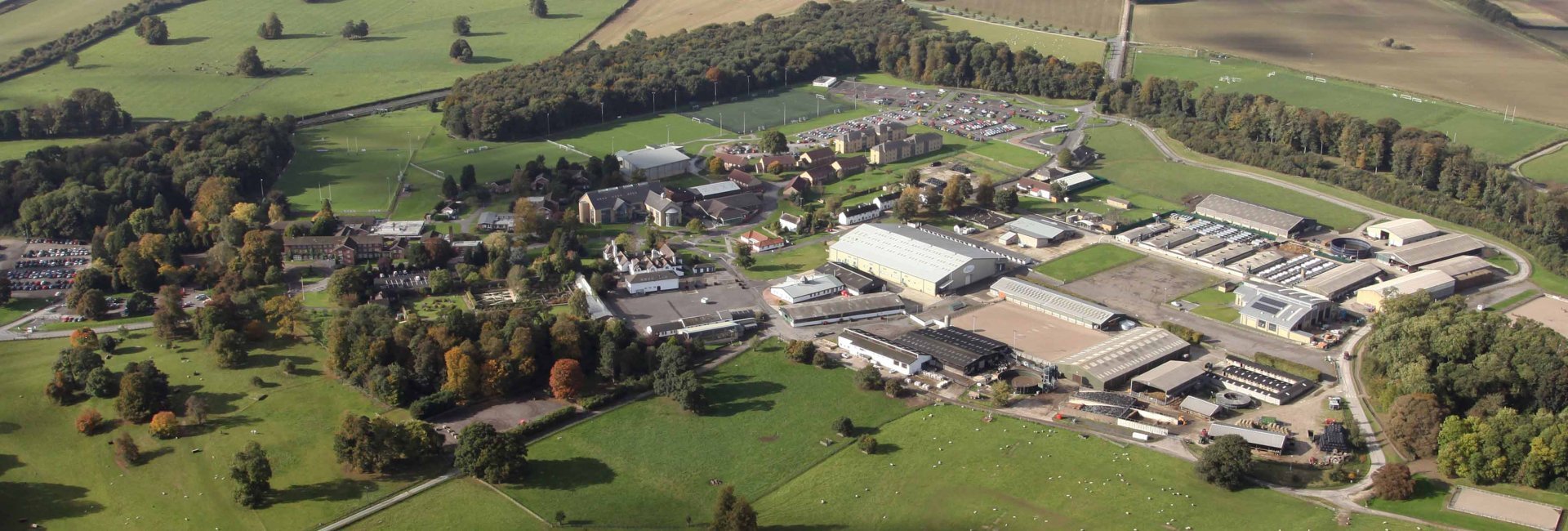
The programme utilises excellent onsite resources, offsite visits and extensive industry links for applied aspects essential for your employability skills.
Contact Time
A typical week on the full-time pathway includes approximately 13 hours a week contact time, incorporating lectures, seminars, practicals and tutorials. This may vary from week to week depending on field trips and other programme-related activities. You are also expected to carry out a significant amount of private study in addition to contact time (20-30 hours a week).
A typical week on the part-time pathway includes approximately 7-9 hours a week contact time, incorporating lectures, seminars, practicals and tutorials. This may vary from week to week depending on field trips and other programme-related activities. You are also expected to carry out a significant amount of private study in addition to contact time (approximately 10 hours a week).
You can expect to receive your timetable during induction week.
Work Experience
A typical week on the full-time pathway includes approximately 13 hours a week contact time, incorporating lectures, seminars, practicals and tutorials. This may vary from week to week depending on field trips and other programme-related activities. You are also expected to carry out a significant amount of private study in addition to contact time (20-30 hours a week). A part-time option is also available. You can expect to receive your timetable during induction week.
Progression
Exciting, fulfilling careers in habitat creation, management and restoration, species conservation, public engagement, ecology and more are available with a range of employers. These include conservation non-government organisations (NGOs), such as the Wildlife Trusts and RSPB, in the UK and abroad; ecological consultancies; conservation contractors; public bodies such as local authorities, the Forestry Commission, Natural England, Natural Resources Wales and NatureScot, plus many more.