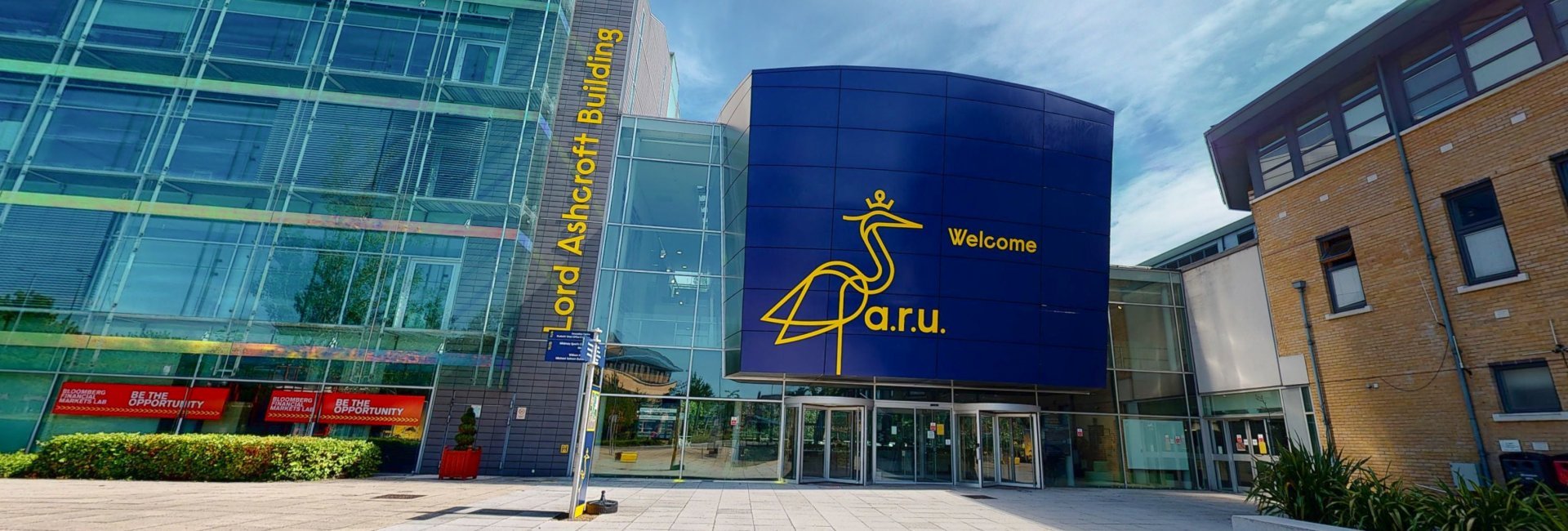
Anglia Ruskin University - Undergraduate Open Day - Cambridge
6 Jun 2026, 09:00
Cambridge

Acquire hands-on skills in animal therapy, including techniques like massage therapy and patient assessment skills, while working with both equine and canine patients.
You’ll learn from an experienced team of tutors including veterinary surgeons, nutrition and behaviour specialists, biomechanists, and staff qualified in veterinary physiotherapy, massage and myofascial release.
Writtle is the perfect place to get hands-on experience, with the campus being home to dedicated canine and equine therapy centres, a small animal unit and a working farm.
As a BSc (Hons) Animal Therapy graduate, you’ll be able to apply for membership of the Animal Health Professions’ Register (AHPR).
Our Animal Therapy degree runs alongside the MVetPhys Veterinary Physiotherapy course. You may have the opportunity to move on to the MVetPhys course at the end of your first year. To do this, you’ll need to achieve a 50% overall stage average and get a pass in both the equine and canine OSPE (practical exams).
There are a number of ways to study this course. As well as our 3-year full-time degree, you have the option of studying over:
You can apply through UCAS (UK students) or directly to us (international students).
All BSc students study the same modules, with the addition of foundation year modules for those taking the 4-year course.
Year 1: Academic and Personal Management Skills, Biological Concepts (Introduction to Laboratory Skills), Maths for IT and Science, Chemistry for Life Sciences, Applied Industry Techniques, Independent (Themed) Project. Year 2: Introduction to Veterinary Physiotherapy, Mammalian Anatomy and Physiology, Functional Anatomy, Human-Animal Interaction, Ethics of Animal Use, Canine and Equine Nutrition. Year 3: Research Methods, Applied Anatomy, Animal Therapeutic Techniques, Rehabilitation and Performance, Exercise Physiology, Animal Health Science, Introduction to Animal Biomechanics, Working in a Multidisciplinary Team. Year 4: Capstone Project, Massage Therapy and Remedial Exercise, Animals in Motion, Sports Medicine, Veterinary Pathophysiology, Business and Client Management.
Students are assessed in a number of ways to ensure practical and academic competence, including: - Assignments. - Reports. - Written examinations. - Observed structured practical examinations. - Observed structured clinical examinations. - Oral presentations. -Debates. - Dissertation.
This is the equal consideration deadline. You can still apply after this date, but your application may not receive guaranteed consideration.

Anglia Ruskin University has participated in the Teaching Excellence Framework. These ratings were awarded in 2023, for four years.
See why these ratings were awarded
What does this TEF outcome mean?
The following entry points are available for this course:
This section shows the range of grades students (with UK A-Levels or Pearson BTEC Level 3 National Extended Diplomas) who received offers were previously accepted with (learn more). It is designed to support your research but does not guarantee whether you will or won't get a place. Admissions teams consider various factors, including interviews, subject requirements, and entrance tests. Check all course entry requirements for eligibility.
We are unable to show previous accepted grades for this course. This could be because the course is new, it's a postgraduate course, there isn't enough historical data, or the provider has opted out of sharing their entry grades data for this course - learn more.
| Location | Fee | Year |
|---|---|---|
| England | £9535 | Year 1 |
| Northern Ireland | £9535 | Year 1 |
| Scotland | £9535 | Year 1 |
| Wales | £9535 | Year 1 |
| Channel Islands | £9535 | Year 1 |
| Republic of Ireland | £9535 | Year 1 |
Tuition fee status depends on a number of criteria and varies according to where in the UK you will study. For further guidance on the criteria for home or overseas tuition fees, please refer to the UKCISA website.
https://aru.ac.uk/student-life/preparing-for-university/help-with-finances/undergraduate
East Road
Cambridge
CB1 1PT
Visit our website Visit our course page
Email:admissions@anglia.ac.uk
Phone:01245 686868
At Anglia Ruskin University