
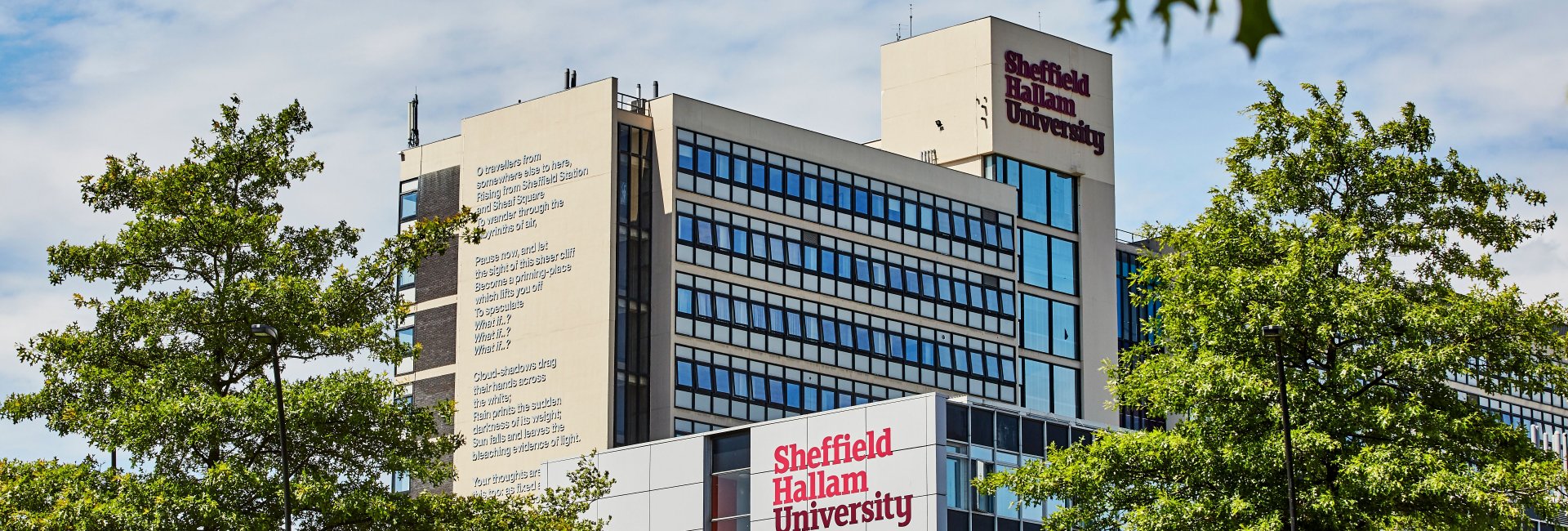
Sheffield Hallam University - applicant open day event
28 Feb 2026, 09:30
Sheffield
Please check the Sheffield Hallam University website for the latest information.
Course Summary
Explore the intricacies of anatomy and physiology of the human body firsthand.
Use cutting-edge techniques to produce images of the body to diagnose diseases.
Prepare for the profession, ready to use and engage in groundbreaking research.
Master imaging techniques for musculoskeletal and soft tissue systems.
This challenging and inspiring course provides the foundational knowledge and skills you’ll need to safely operate a variety of diagnostic imaging equipment. As part of a multidisciplinary team, you'll ensure patients receive high standards of care. After graduating you'll be eligible to apply for registration as a diagnostic radiographer with the Health and Care Professions Council (HCPC).
Accredited by:
Health and Care Professions Council, the (HCPC)
This course is approved by the Health and Care Professions Council (HCPC). Graduates are eligible to apply to register with them and also apply to become members of the Society and College of Radiographers. You must be registered with the HCPC in order to practise as a diagnostic radiographer in the UK.
How you learn
While specialising in diagnostic radiography, you’ll have opportunities to learn with, from and about practitioners from a range of health and social care professions – as part of a community of practice. These can include therapeutic radiographers, nurses and midwives, paramedics, physiotherapists, social workers, operation department practitioners and occupational therapists – as well as other radiography students, the course team and guest lecturers. These collaborations enable you to develop an in-depth understanding of person-centred care and patient pathways.
You’ll experience a blended approach to learning and teaching – on campus, online and in practice placements. You’ll be taught by professionals who are active in their field of practice and research – providing contemporary, interprofessional practice knowledge and experiences.
You learn through:
Lectures
Guest speakers
Seminars and tutorials
Group work
Practical activities
Simulation, including digital, in imaging, ward and theatre suites
Image interpretation activities
Key Themes
As you progress through the course, you'll use cutting-edge imaging technologies and techniques to learn how to diagnose diseases by producing body images. You'll be equipped with the essential skills, practical experience and technological know-how required for a career in diagnostic radiography.
You’ll graduate with a strong professional identity, along with the skills, knowledge, values and clinical reasoning to thrive in a dynamic health and social care environment. You'll understand the importance of teamwork – focusing on people’s needs – and you'll have the confidence and resilience for autonomous working.
The course's practice-based learning, simulation and real-world clinical scenarios offer opportunities to develop skills within the four pillars of practice: clinical, research, leadership and education. These prepare you for highly skilled employment in the current and future workforce.
Ultimately, the course aims to mould you into a competent and effective diagnostic radiographer, ready to work in various hospital settings and contribute to modern healthcare delivery.
Applied learning
Live Projects
You’ll gain real-world skills in different practice-based learning environments, reflecting the range of ways healthcare services are currently delivered. These include simulated practice workshops – using our state-of-the-art imaging equipment. You’ll also develop key research skills and undertake projects to evaluate and develop health services.

Sheffield Hallam University has participated in the Teaching Excellence Framework. These ratings were awarded in 2023, for four years.
See why these ratings were awarded
What does this TEF outcome mean?
This section shows the range of grades students (with UK A-Levels or Pearson BTEC Level 3 National Extended Diplomas) who received offers were previously accepted with (learn more). It is designed to support your research but does not guarantee whether you will or won't get a place. Admissions teams consider various factors, including interviews, subject requirements, and entrance tests. Check all course entry requirements for eligibility.
Students aged 17/18 who applied to this course were offered a place.
See how students with your grades have been accepted onto this course in the past.
Choose a specific option to see funding information.
Course optionsScholarships, discounts and bursaries may be available to students who study this course.
City Campus
Howard Street
Sheffield
S1 1WB
Phone:(+44) 0114 225 5533