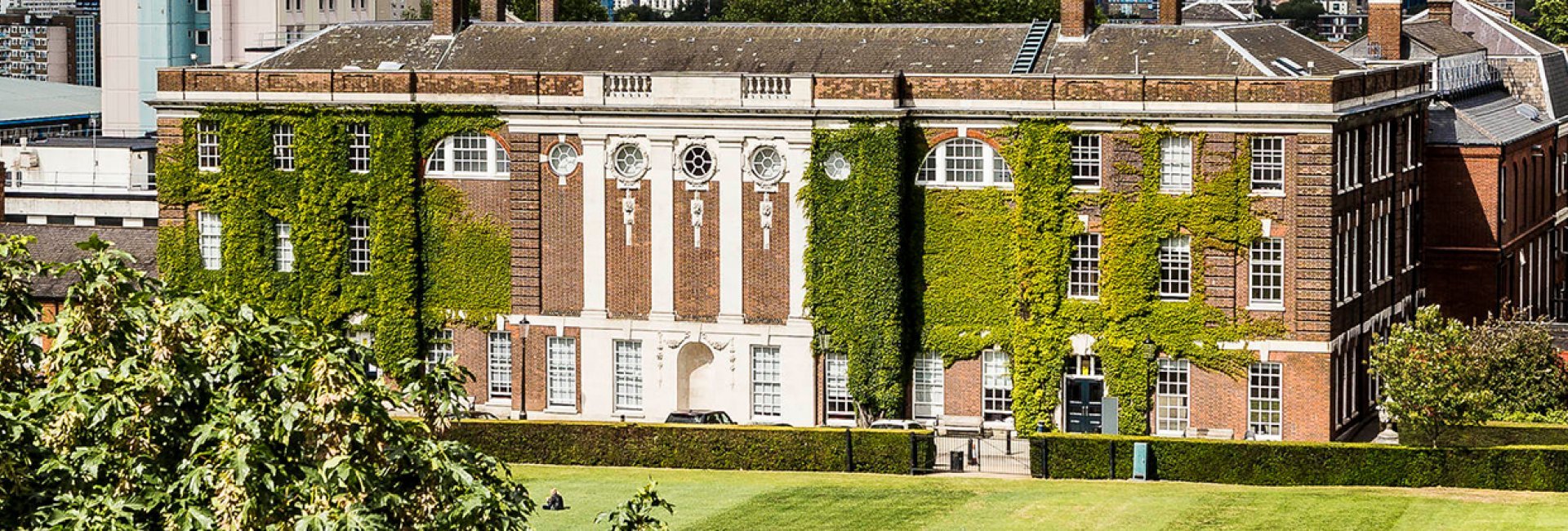
Goldsmiths, University of London - Virtual Campus Tour
25 Nov 2025, 12:00
London

Explore photography as a creative art form in our rapidly changing visual world. This programme helps you develop essential skills while learning both digital and analogue techniques, understanding visual culture, and building your creative voice.
Master analogue and digital techniques: Learn both film-based and digital methods, including darkroom, editing, printing, and AI tools, supported by expert guidance and facilities.
Build strong visual skills and learn to talk about images: Gain a deep understanding of photographic theory, history, and image analysis, with emphasis on how technical choices shape meaning.
Explore beyond traditional photography: Discover the expanded field of photography practice by experimenting with moving image, digital manipulation, sculptural interventions, and alternative processes, while exploring archives and new technologies. Your work will be grounded in the history of the field to make explorations more meaningful and purposeful.
Develop your individual creative style: Your personal vision is at the heart of this programme. You will progress from structured projects to independent work, supported by tutorials and critiques that nurture your unique style.
Prepare for your creative career: Alongside technical skills, you will acquire transferrable professional skills and undertake a work placement for real-world experience.
Understand photography’s social impact: You will be encouraged to combine practice with critical thinking to explore photography’s cultural and societal role.
Join a diverse, creative community: Be part of an inclusive environment that supports individuality and creative growth. We welcome applications from students reflecting a diverse range of interests, experiences and capabilities.
Through practical modules, you will examine how power dynamics, agency, race, class, gender and location inform your image-making process.
This will culminate in a five-week independent practice project where you will be able to apply these ideas to your own interests.
In your first year, theory modules aim to give you a foundational understanding of photographic and image-making histories, discourses and critical thinking.
You will also complete a hybrid methodologies module aimed at empowering you to apply your theoretical and critical understandings to the making practice.
Your learning will be supported by a series of technical workshops in:
Camera
Studio and lighting
Alternative and traditional darkroom practices
Digital image workflows and manipulation
Book making
In your second year, you will continue to develop your own personal practice. In your first term, you will explore how photography creates alternative and fictional worlds out of our realities and how this can also impact our relationship to ourselves.
You will then undertake more independent practice modules and make a substantial body of work to be presented as part of an interim exhibition in the summer term.
You will undertake a further theory module on the contemporary implications of technology on our relationship to images. You will also have the opportunity to select an option module from the wider range available in the school.
As part of your studies, you will have the opportunity to complete further technical workshops in:
Advanced zine and book making
Curatorial practices
Photography
Sculpture and installation
The moving photograph
Other contemporary methodologies
Your final year focuses on consolidating and developing your ability to plan, direct and manifest your own work and you will also complete a complementary advanced research methodologies module to help frame your development.
This will culminate in your degree show, where you will present and curate your own work in a way that builds meaningful relationships with your audience.
Throughout the year, you will be taught through a series of individual and group tutorials with tutors and visiting artists, presentations, critiques and workshops to aid the development of your work.
You will also be asked to reflect on the development and realisation of your work through a reflexive essay.
You will also carry out a work placement in the creative industries, to broaden your skillsets, and future employability. You will be guided in approaching the work placement with employability workshops on:
CV writing
Personal branding
Portfolios
Use of social media
Producing speculative applications
You'll be assessed by a variety of methods, depending on your module choices. These may include portfolios, final projects, coursework and essays.
This is the equal consideration deadline. You can still apply after this date, but your application may not receive guaranteed consideration.

Goldsmiths, University of London has participated in the Teaching Excellence Framework. These ratings were awarded in 2023, for four years.
See why these ratings were awarded
What does this TEF outcome mean?
The following entry points are available for this course:
| Test | Grade | Additional details |
|---|---|---|
| IELTS (Academic) | 6 | With a 6.0 in writing and no element lower than 5.5 |
This section shows the range of grades that students who received offers were previously accepted on to this course with (learn more).
It is designed to support your research but does not guarantee whether you will or won't get a place.
Admissions teams consider various factors, including interviews, subject requirements, and entrance tests. Check all course entry requirements for eligibility.
We are unable to show previous accepted grades for this course. This could be because the course is new, it's a postgraduate course, there isn't enough historical data, or the provider has opted out of sharing their entry grades data for this course - learn more.
| Location | Fee | Year |
|---|---|---|
| England, Scotland, Wales, Northern Ireland, Channel Islands & Republic of Ireland | £9250 |
Tuition fee status depends on a number of criteria and varies according to where in the UK you will study. For further guidance on the criteria for home or overseas tuition fees, please refer to the UKCISA website.
To find out the latest information or more about fees and funding, please check our undergraduate fees guidance or contact the Fees Office https://www.gold.ac.uk/ug/fees-funding/
Email:course-info@gold.ac.uk
Phone:020 7078 5300
New Cross
Lewisham
SE14 6NW
At Goldsmiths, University of London