Skip navigation

Applied Animal Behaviour and Training (Top Up)

Course details
  • BSc (Hons)
  • 1 Years
  • Full-time
  • 14/09/2026
  • Undergraduate
Course location
Bishop Burton
Awarded by:
University of Hull

Course summary

Are you interested in animal behaviour and studying in an applied manner? Do you already have a subject-relevant Level 5 qualification or equivalent? If so, our BSc in Applied Animal Behaviour and Training (Top-up) is for you.

Utilising a wide range of animals, our flexible learning environment will allow you to apply the knowledge you use to practical situations across a range of disciplines.

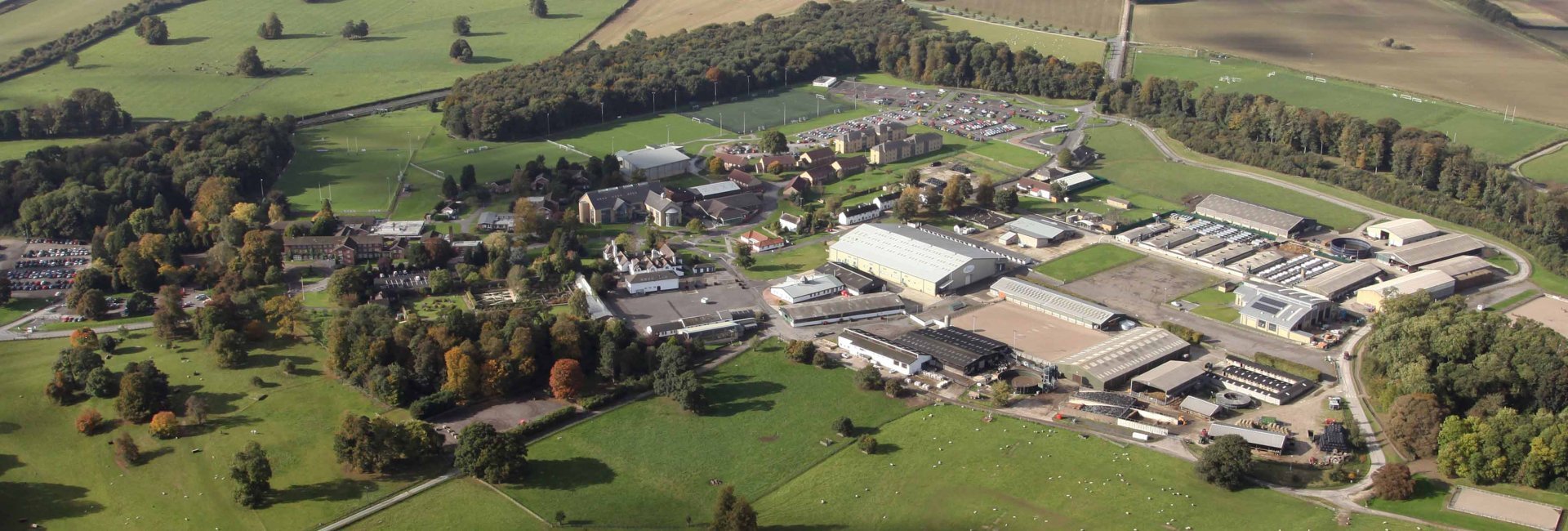
Your academic curriculum will be supported by our extensive practical facilities. The Animal Management Centre houses a wide range of animals including primates, exotic and small mammals, reptiles, birds, invertebrates and fish. In addition, you will have access to Bishop Burton’s licensed boarding kennels and grooming parlour, a working farm with a variety of livestock and a large equine yard housing over 80 horses.

Modules Year 1:

Advanced Animal Training
Animal Communication
Consulting in Animal Behaviour Management
Final Project

Learning and Teaching Approach
We utilise a range of teaching approaches to ensure inclusivity. Our theory lectures are student focused, delivering the core content and providing you with underpinning knowledge.

To complement these, group seminars are used to reinforce concepts, allowing you to apply the theory utilising our extensive resources (including our Animal Management Centre, farm, laboratory) embedding industry skills and graduate attributes.

Guest lecturers and visiting specialists will supplement your learning by sharing their industry skills and knowledge, demonstrating how you would apply your learning within industry. This ensures that you have the latest knowledge for your field of study.

Field trips will further enhance your learning and provide you with the opportunity to apply theory in the field.

We take a student-centred approach to enhance your independent learning that takes place outside the classroom. This programme centres around in-person lecturing with the use of blended learning to support learning opportunities, such as facilitating international guest speakers.

What is the contact time?
Approximately 9 hours a week to include lectures, seminars, practicals and tutorials. Students are also expected to carry out a significant amount of private study in addition to contact time (25-30 hours a week).

Students can expect to receive their timetables during induction week.

Progression
Graduates may choose to progress to the MSc Applied Animal Behaviour and Training or MSc Animal Behaviour and Welfare which are available via blended learning at University Centre Bishop Burton.

Assessment method

Assessment includes written assignments, seminars, poster presentations, training practical, practical reports and demonstrations. There are no formal examinations.

Opportunities for feedback on assessments are available prior to the final submission to support your development and achievement. Staff aim to return assessed work within a 20-working day timeframe (not including holidays) so that you can most benefit from the feedback.

How to apply

Apply by
14 January

This is the deadline for applications to be completed and sent for this course. If the university or college still has places available you can apply after this date, but your application is not guaranteed to be considered.

Application codes

Course code:
AA24
Institution code:
B37
Campus name:
Bishop Burton
Campus Code:
B

Points of entry

The following entry points are available for this course:

  • Year 1

International applicants

University Centre Bishop Burton welcome applicants from overseas. You will need to be issued with a Confirmation of Acceptance for Studies (CAS) to apply for your student visa to the UK. You will need to pay your course fees in full prior to a CAS being sent to you. In order for us to process this and for us to comply with our duties as a Sponsor we are required to check other aspects of your application, for example your financial status. For more details please visit www.bishopburton.ac.uk/student-life/international-students

Open days

Entry requirements

UCAS Tariff

You will need to have an appropriate subject relevant HND or Level 5 qualification, ideally within animal training, behaviour and/or management. Other programmes can also be considered. You will need an appropriate academic reference. Life and / or experience of non-traditional students will be taken into account when considering applications. The successful completion of an entry task may be required when considering applications without the required formal entry qualifications.

English language requirements

If first language is not English, or a Tier 4 student visa to study is required and GCSE grade C/4 English or equivalent is not held, English language proficiency level such as International English Language Testing System (IELTS) 6.0 overall (with a minimum 5.5 in each skill) will need evidencing.

Historical entry grades data BETA

This section shows the range of grades students (with UK A-Levels or Pearson BTEC Level 3 National Extended Diplomas) who received offers were previously accepted with (learn more). It is designed to support your research but does not guarantee whether you will or won't get a place. Admissions teams consider various factors, including interviews, subject requirements, and entrance tests. Check all course entry requirements for eligibility.

Not enough data available

We are unable to show previous accepted grades for this course. This could be because the course is new, it's a postgraduate course, there isn't enough historical data, or the provider has opted out of sharing their entry grades data for this course - learn more.

Fees and funding

Tuition fees

LocationFeeYear
England£9250Year 1
Northern Ireland£9250Year 1
Scotland£9250Year 1
Wales£9250Year 1
International£13177Year 1

Tuition fee status depends on a number of criteria and varies according to where in the UK you will study. For further guidance on the criteria for home or overseas tuition fees, please refer to the UKCISA website.

Additional fee information

No additional fees or cost information has been supplied for this course, please contact the provider directly.

Like this page