Our Bioveterinary Science degree programme will help you to develop sound academic and practical knowledge of the disciplines and factors related to animal science in relation to a range of species and areas of the animal industry.
This programme will prepare you for an exciting career within veterinary and/or animal science. There is an increasing demand for people with a combination of both academic and practical competence within the animal industry, which is why this course allows you to learn in a vocational and applied nature.
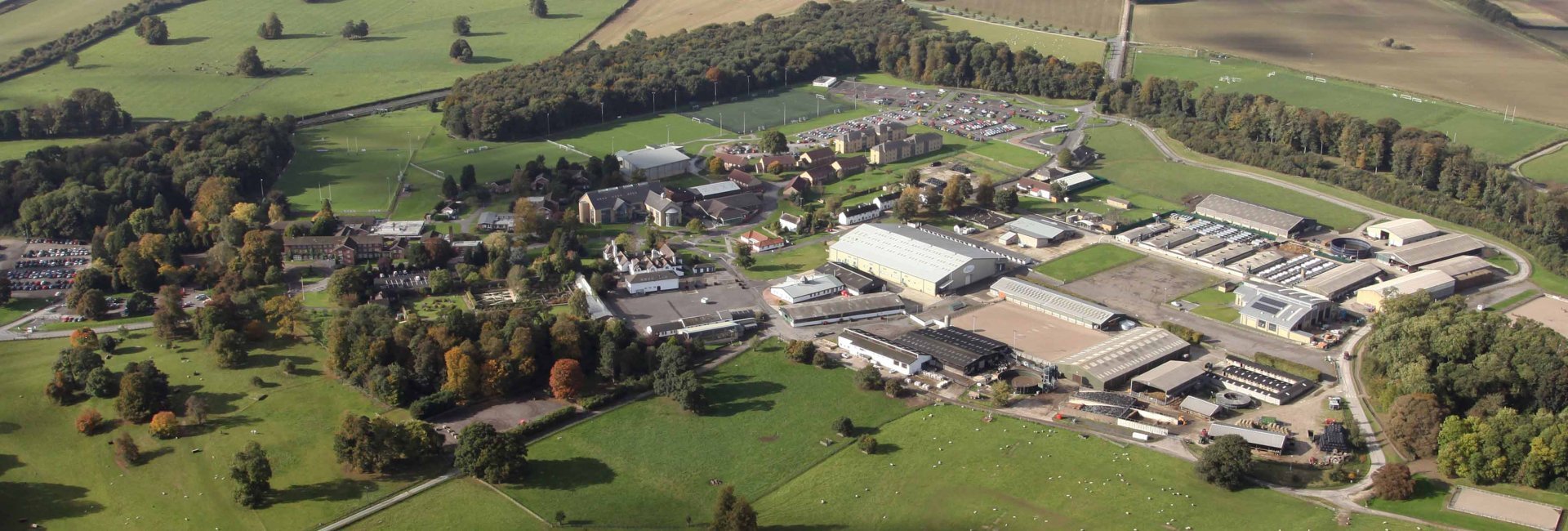
You will complete both lessons and assessments on our animal unit and farm, working with a variety of species, as well as developing your practical science and industry skills within our state-of-the-art labs.
What will I study?
Year 1:
Academic Professional Skills
Comparative Anatomy and Physiology
Animal Biology and Introduction to Laboratory Science
Animal Health and Nutrition
Principles of Animal Behaviour Science
Development of Professional Skills
Year 2:
Behaviour and Management of Production Species
Data Skills for Animal Scientists
Ethics, Welfare and Legislation
Livestock Reproductive Technology
Cellular Processes and Biochemistry
Entrepreneurialism
Year 3:
Genetics and Biotechnologies
Disease Process, Immunology and Healing
Laboratory and Veterinary Diagnostic Techniques
Advanced Livestock Science
Learning and Teaching Approach
This programme is delivered with a variety of learning and teaching approaches to include all students’ learning styles and preferences.
For all modules, theory lectures are delivered that aim to deliver the core content and provide the underpinning knowledge.
To complement the theory lectures, students have group seminars/practical sessions that are used to reinforce concepts delivered theoretically. The teaching methods focus on facilitating a student-centred approach to enhance the independent learning that takes place outside of the classroom.
What is the contact time?
Approximately 9-14 hours a week to include lectures, seminars, practical's and tutorials. Students are also expected to carry out a significant amount of private study in addition to contact time (25-30 hours a week). Additional to this time will be final project support sessions that you can book with your supervisor.
Students can expect to receive their timetables during induction week.
What kind of job could I get when I graduate?
Graduates can pursue roles as a welfare inspector (e.g. DEFRA, RSPCA), laboratory animal technician, welfare scientist, environmental enrichment co-ordinator, agriculture consultant, laboratory scientist, animal rescue and rehabilitation, reproduction technologist, in research, management positions or animal welfare societies.